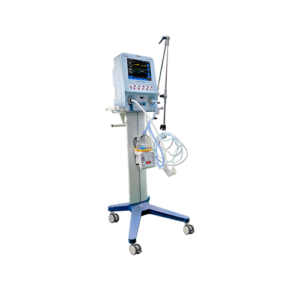


Ventilator
nice 9000


Test Lung used in ventilators simulates lung compliance and resistance to verify ventilator performance, settings, and safety before patient use.
The Test Lung for ventilators is designed to simulate patient lung characteristics, allowing functional testing and performance verification of ventilators without connecting to a patient. It helps clinicians and service personnel check ventilation parameters such as tidal volume, pressure, flow, and alarm functionality under controlled conditions.
Manufactured from durable, reusable materials, the test lung supports repeated testing during installation, preventive maintenance, and pre-use checks. It is compatible with standard ventilator circuits and is suitable for use in ICUs, NICUs, and clinical engineering environments to ensure safe and reliable ventilator operation.
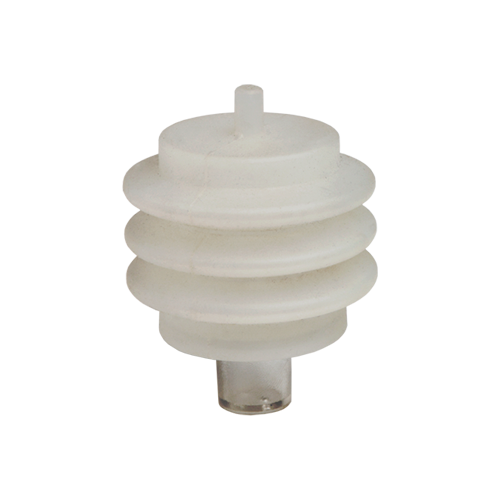
50-05-061
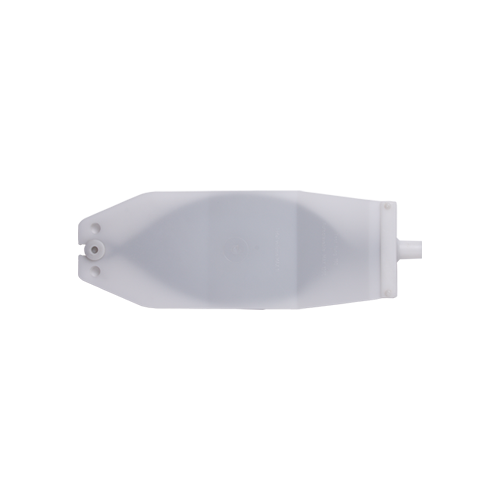
50-05-189
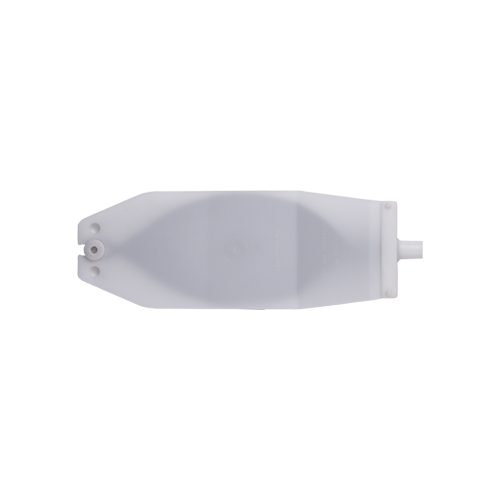
50-05-094
50-05-047

Replicates neonatal lung compliance for accurate functional testing.
Allows performance checks without connecting to a patient.
Supports verification of delivered pressure, flow, and PEEP settings.
Compatible with standard T-piece resuscitators used in NICUs and delivery rooms.
Test Lung used in ventilators simulates lung compliance and resistance to verify ventilator performance, settings, and safety before patient use.
The Test Lung for ventilators is designed to simulate patient lung characteristics, allowing functional testing and performance verification of ventilators without connecting to a patient. It helps clinicians and service personnel check ventilation parameters such as tidal volume, pressure, flow, and alarm functionality under controlled conditions.
Manufactured from durable, reusable materials, the test lung supports repeated testing during installation, preventive maintenance, and pre-use checks. It is compatible with standard ventilator circuits and is suitable for use in ICUs, NICUs, and clinical engineering environments to ensure safe and reliable ventilator operation.
50-05-061
50-05-189
50-05-094
50-05-047
Replicates neonatal lung compliance for accurate functional testing.
Allows performance checks without connecting to a patient.
Supports verification of delivered pressure, flow, and PEEP settings.
Compatible with standard T-piece resuscitators used in NICUs and delivery rooms.
Test Lung used in ventilators simulates lung compliance and resistance to verify ventilator performance, settings, and safety before patient use.
The Test Lung for ventilators is designed to simulate patient lung characteristics, allowing functional testing and performance verification of ventilators without connecting to a patient. It helps clinicians and service personnel check ventilation parameters such as tidal volume, pressure, flow, and alarm functionality under controlled conditions.
Manufactured from durable, reusable materials, the test lung supports repeated testing during installation, preventive maintenance, and pre-use checks. It is compatible with standard ventilator circuits and is suitable for use in ICUs, NICUs, and clinical engineering environments to ensure safe and reliable ventilator operation.
50-05-061
50-05-189
50-05-094
50-05-047
Replicates neonatal lung compliance for accurate functional testing.
Allows performance checks without connecting to a patient.
Supports verification of delivered pressure, flow, and PEEP settings.
Compatible with standard T-piece resuscitators used in NICUs and delivery rooms.
Test Lung used in ventilators simulates lung compliance and resistance to verify ventilator performance, settings, and safety before patient use.
The Test Lung for ventilators is designed to simulate patient lung characteristics, allowing functional testing and performance verification of ventilators without connecting to a patient. It helps clinicians and service personnel check ventilation parameters such as tidal volume, pressure, flow, and alarm functionality under controlled conditions.
Manufactured from durable, reusable materials, the test lung supports repeated testing during installation, preventive maintenance, and pre-use checks. It is compatible with standard ventilator circuits and is suitable for use in ICUs, NICUs, and clinical engineering environments to ensure safe and reliable ventilator operation.
50-05-061
50-05-189
50-05-094
50-05-047
Replicates neonatal lung compliance for accurate functional testing.
Allows performance checks without connecting to a patient.
Supports verification of delivered pressure, flow, and PEEP settings.
Compatible with standard T-piece resuscitators used in NICUs and delivery rooms.
Test Lung used in ventilators simulates lung compliance and resistance to verify ventilator performance, settings, and safety before patient use.
The Test Lung for ventilators is designed to simulate patient lung characteristics, allowing functional testing and performance verification of ventilators without connecting to a patient. It helps clinicians and service personnel check ventilation parameters such as tidal volume, pressure, flow, and alarm functionality under controlled conditions.
Manufactured from durable, reusable materials, the test lung supports repeated testing during installation, preventive maintenance, and pre-use checks. It is compatible with standard ventilator circuits and is suitable for use in ICUs, NICUs, and clinical engineering environments to ensure safe and reliable ventilator operation.
50-05-061
50-05-189
50-05-094
50-05-047
Replicates neonatal lung compliance for accurate functional testing.
Allows performance checks without connecting to a patient.
Supports verification of delivered pressure, flow, and PEEP settings.
Compatible with standard T-piece resuscitators used in NICUs and delivery rooms.
Test Lung used in ventilators simulates lung compliance and resistance to verify ventilator performance, settings, and safety before patient use.
The Test Lung for ventilators is designed to simulate patient lung characteristics, allowing functional testing and performance verification of ventilators without connecting to a patient. It helps clinicians and service personnel check ventilation parameters such as tidal volume, pressure, flow, and alarm functionality under controlled conditions.
Manufactured from durable, reusable materials, the test lung supports repeated testing during installation, preventive maintenance, and pre-use checks. It is compatible with standard ventilator circuits and is suitable for use in ICUs, NICUs, and clinical engineering environments to ensure safe and reliable ventilator operation.
50-05-061
50-05-189
50-05-094
50-05-047
Replicates neonatal lung compliance for accurate functional testing.
Allows performance checks without connecting to a patient.
Supports verification of delivered pressure, flow, and PEEP settings.
Compatible with standard T-piece resuscitators used in NICUs and delivery rooms.
Test Lung used in ventilators simulates lung compliance and resistance to verify ventilator performance, settings, and safety before patient use.
The Test Lung for ventilators is designed to simulate patient lung characteristics, allowing functional testing and performance verification of ventilators without connecting to a patient. It helps clinicians and service personnel check ventilation parameters such as tidal volume, pressure, flow, and alarm functionality under controlled conditions.
Manufactured from durable, reusable materials, the test lung supports repeated testing during installation, preventive maintenance, and pre-use checks. It is compatible with standard ventilator circuits and is suitable for use in ICUs, NICUs, and clinical engineering environments to ensure safe and reliable ventilator operation.
50-05-061
50-05-189
50-05-094
50-05-047
Replicates neonatal lung compliance for accurate functional testing.
Allows performance checks without connecting to a patient.
Supports verification of delivered pressure, flow, and PEEP settings.
Compatible with standard T-piece resuscitators used in NICUs and delivery rooms.
Test Lung used in ventilators simulates lung compliance and resistance to verify ventilator performance, settings, and safety before patient use.
The Test Lung for ventilators is designed to simulate patient lung characteristics, allowing functional testing and performance verification of ventilators without connecting to a patient. It helps clinicians and service personnel check ventilation parameters such as tidal volume, pressure, flow, and alarm functionality under controlled conditions.
Manufactured from durable, reusable materials, the test lung supports repeated testing during installation, preventive maintenance, and pre-use checks. It is compatible with standard ventilator circuits and is suitable for use in ICUs, NICUs, and clinical engineering environments to ensure safe and reliable ventilator operation.
50-05-061
50-05-189
50-05-094
50-05-047
Replicates neonatal lung compliance for accurate functional testing.
Allows performance checks without connecting to a patient.
Supports verification of delivered pressure, flow, and PEEP settings.
Compatible with standard T-piece resuscitators used in NICUs and delivery rooms.
Test Lung used in ventilators simulates lung compliance and resistance to verify ventilator performance, settings, and safety before patient use.
The Test Lung for ventilators is designed to simulate patient lung characteristics, allowing functional testing and performance verification of ventilators without connecting to a patient. It helps clinicians and service personnel check ventilation parameters such as tidal volume, pressure, flow, and alarm functionality under controlled conditions.
Manufactured from durable, reusable materials, the test lung supports repeated testing during installation, preventive maintenance, and pre-use checks. It is compatible with standard ventilator circuits and is suitable for use in ICUs, NICUs, and clinical engineering environments to ensure safe and reliable ventilator operation.
50-05-061
50-05-189
50-05-094
50-05-047
Replicates neonatal lung compliance for accurate functional testing.
Allows performance checks without connecting to a patient.
Supports verification of delivered pressure, flow, and PEEP settings.
Compatible with standard T-piece resuscitators used in NICUs and delivery rooms.

It should be cleaned, disinfected according to hospital infection control protocols after each use. Gentle handling is essential to prevent damage to sensitive components such as connectors.
Before reuse, it must be visually inspected for wear, cracks, discoloration, or deformation. Any damaged or malfunctioning item should be removed from service immediately. Proper storage in designated clean areas helps preserve hygiene and functional integrity.